Fosters, AL Homes for Sale & Area Guide
Farming country in the southwest corner of the county, where the land is the point and the market moves slowly.
Fosters is a farming community in the southwestern part of Tuscaloosa County: farms, timber and long views. Homes for sale in Fosters come up infrequently, and much of what changes hands is land. Here is what the MLS shows for Fosters right now, followed by the local guide.
The short version
Fosters is a small agricultural community in the southwestern part of Tuscaloosa County. Farms, timber, long views, very few listings. It is one of the quieter corners of our service area and one of the least written about, which is precisely why we bothered to write about it.
If you are looking here, you are almost certainly looking for land.
A market that moves in its own time
Fosters is not somewhere you shop; it is somewhere you wait for. Properties come up infrequently. A good deal of what changes hands does so within families, or between neighbours who have been talking about it for years, and never appears in a public search.
That has two implications for a buyer:
- Tell somebody local what you are after, early. We hear about things out here before they are listed, and sometimes instead of being listed. That only helps you if we know you exist.
- Be genuinely ready. When the right forty acres surfaces, the transaction often happens between people who already know each other. Being financed and decisive is what gets an outsider into that conversation.
House with land, or working land?
This distinction matters more in Fosters than almost anywhere else we work, and getting it wrong is expensive.
A homesite with acreage is priced like a house. The land supports the lifestyle; the value sits in the dwelling and the setting.
Working land (row crop, pasture, timber) is priced on what it produces: soil quality and type, drainage, field layout, road access, water, timber stand and age. It may come with a lease or a tenant already in place, and that arrangement transfers with the sale.
Buyers sometimes look at working land and see a big garden. Sellers sometimes price a homesite as though it were a farm. We will tell you which one you are actually looking at.
The practical checks
The rural fundamentals all apply. In an agricultural area, add three more:
- Current use assessment. Land taxed on agricultural use can be reassessed if the use changes, which is a real cost to understand before you buy.
- Existing agreements. Leases, grazing arrangements, hunting rights and utility easements all outlive a change of ownership.
- Timber. If there is a stand, its age and species affect value substantially and it may already be committed.
If you are selling land here
Sellers in Fosters usually have more time than buyers do, and that is an advantage worth using rather than wasting.
Land sells on documentation as much as on appearance. A recent survey, a clear picture of access and easements, soil and drainage information, and honest detail about any lease or timber commitment all remove reasons for a buyer to hesitate or to discount. Assembling that before listing routinely returns more than it costs.
The other decision is whether to sell the whole parcel or divide it. Sometimes splitting reaches more buyers; sometimes it destroys the very thing making the property valuable. That is a conversation to have before anything is advertised.
What Fosters offers buyers
Real acreage, for buyers who are not in a hurry. Working land (row crop, pasture, timber) for anyone who farms or intends to. Distance, quiet and sky, with a considered commute rather than a convenient one. Land that has been in the area a long time, when it finally comes up.
You will be frustrated here if you must buy within ninety days, if you want neighbours, or if you need five comparable properties to choose between. There will not be five.
Tell us now, not when you are ready
That is genuinely the advice for Fosters. The properties that suit patient buyers tend to surface quietly, and the people who hear about them are the ones who said what they wanted months earlier. Call or text us and we will keep it in mind.
Around Fosters
-
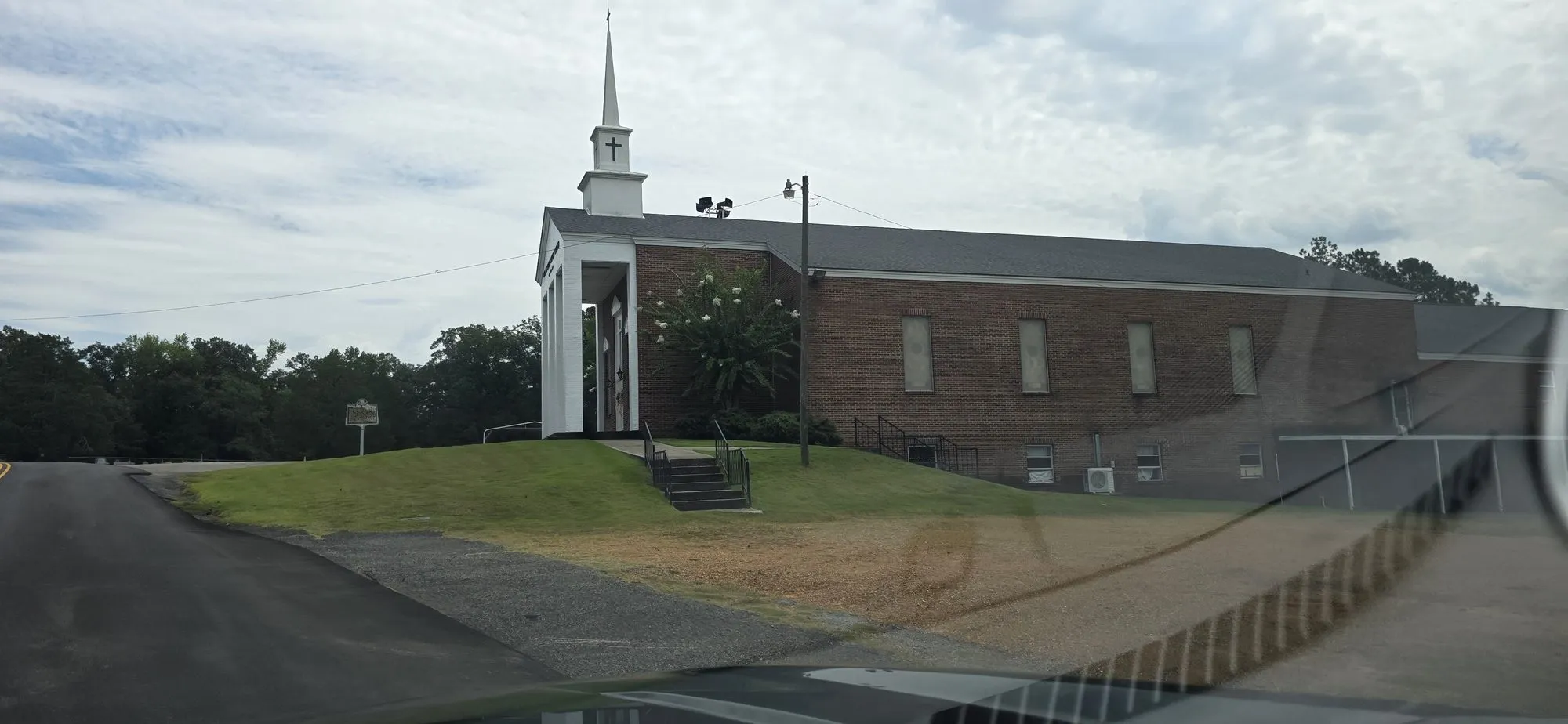
Grants Creek Baptist Church in Fosters -
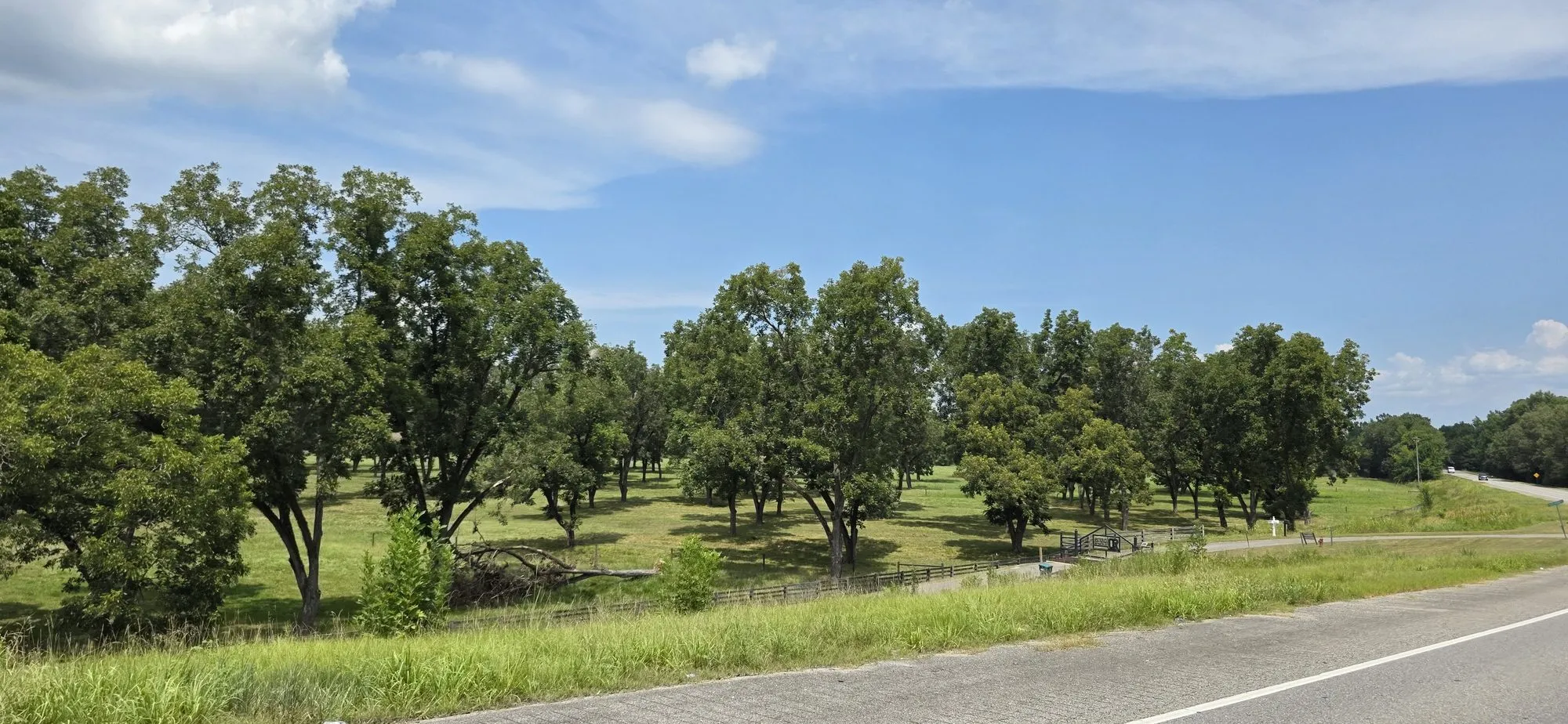
Pecan orchard rows along the highway in Fosters -
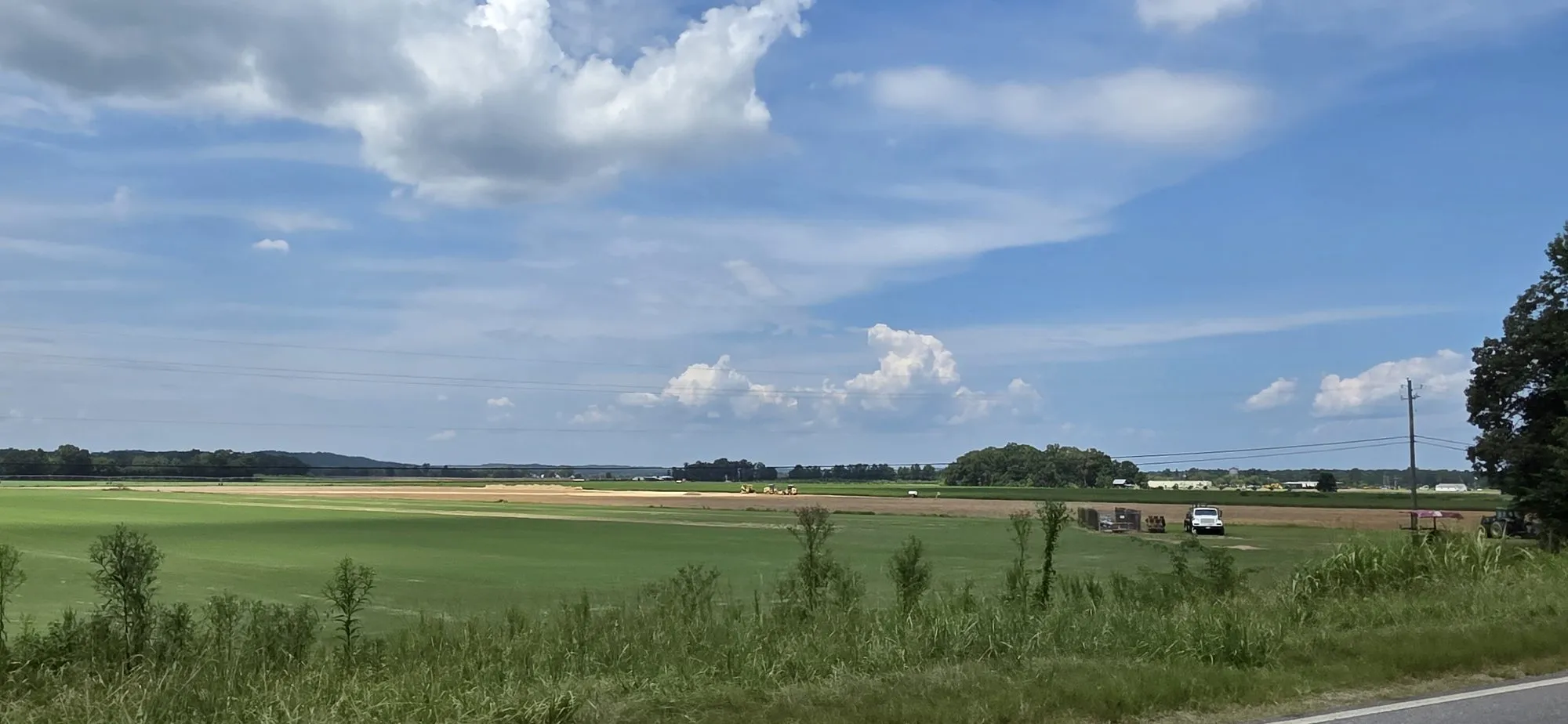
Working farmland in Fosters -
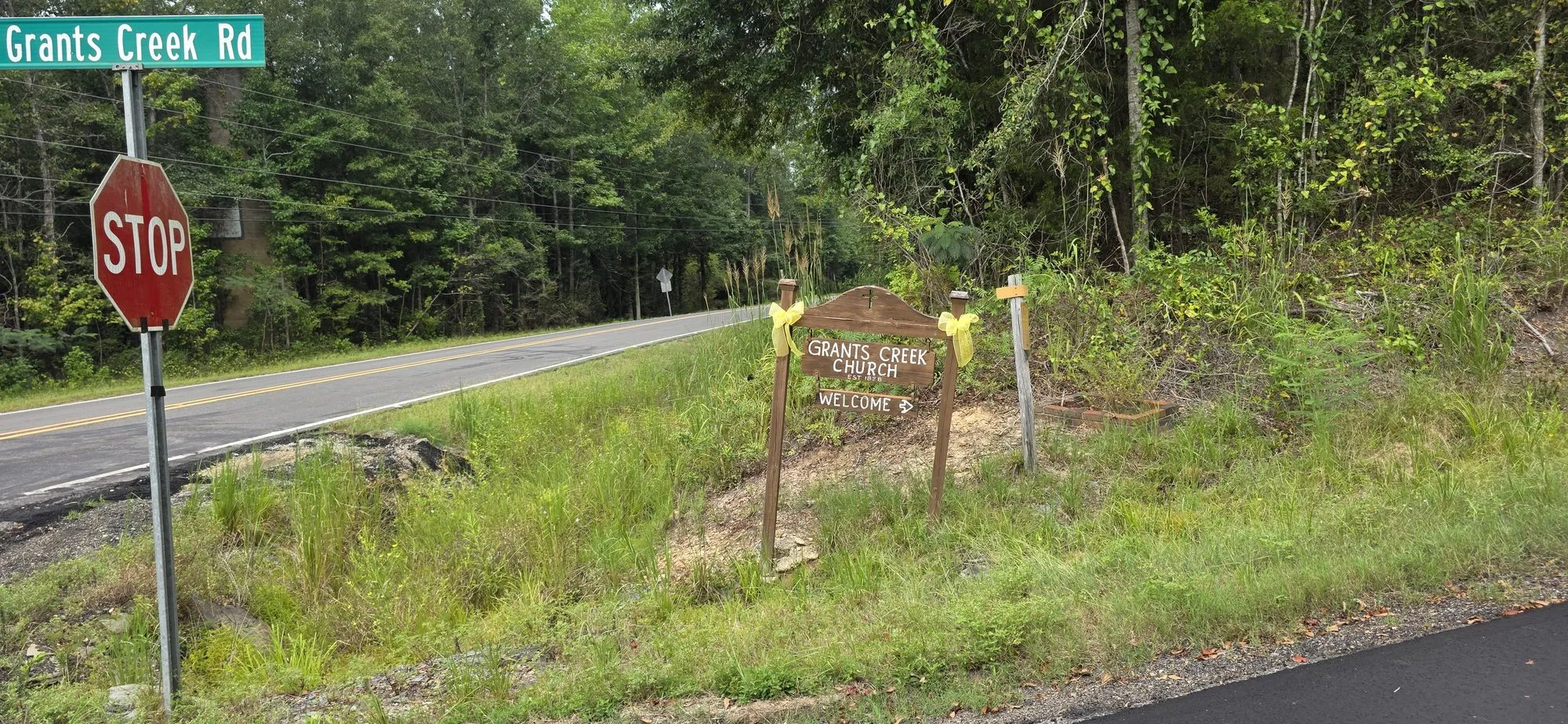
Grants Creek Road corner in Fosters -
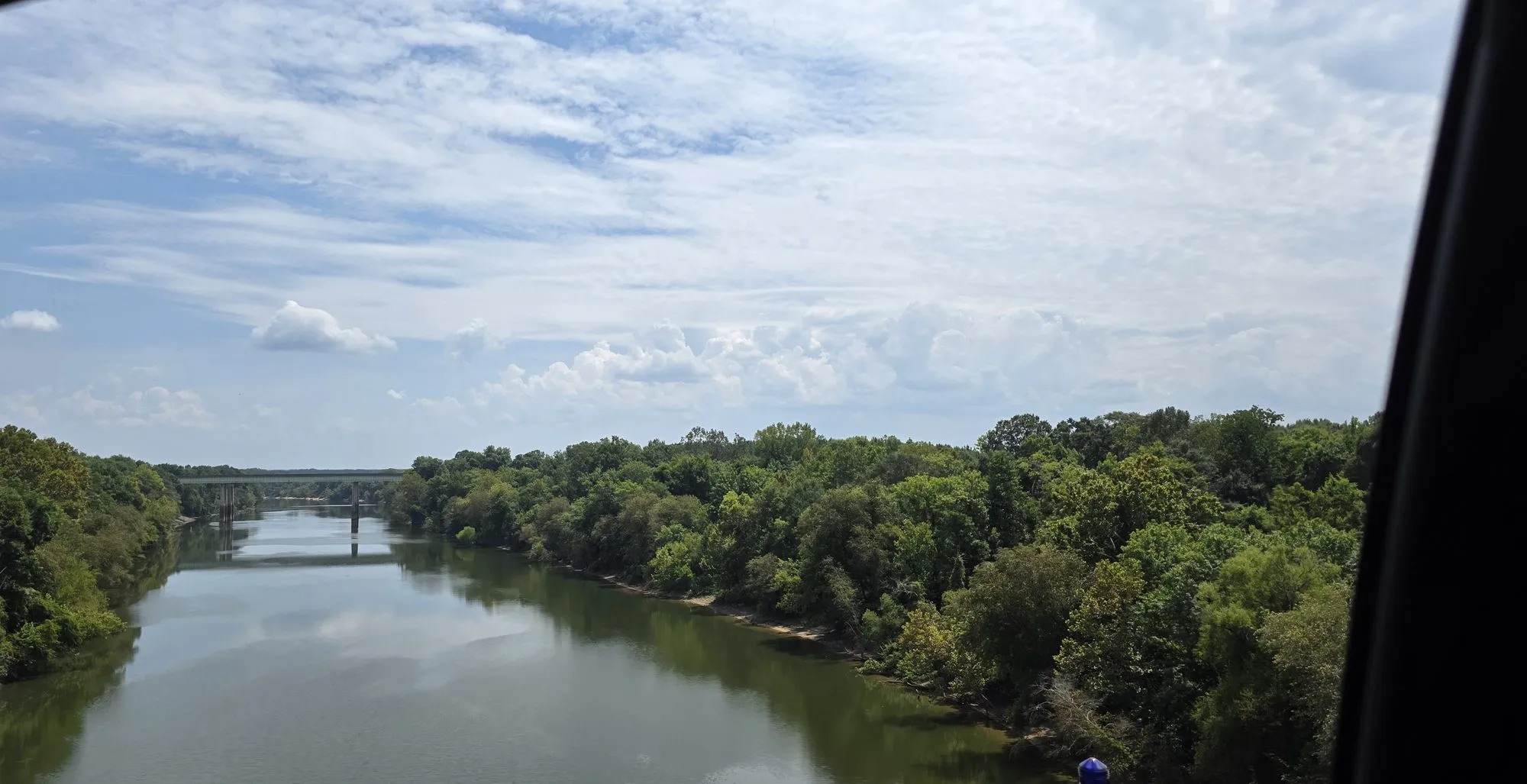
River view from the bridge near Fosters
Questions about Fosters
- Is there much for sale in Fosters?
- Not usually. This is a small agricultural community where properties change hands infrequently, often within families or between neighbours, and sometimes without ever reaching a public listing. Buyers set on Fosters should expect to wait and should tell us early so we can be listening rather than searching.
- Does farmland come up for sale here?
- It does, and it is a different transaction from buying a house with a big yard. Row-crop and pasture land is valued on soil, drainage, road access and what it can actually produce, and any existing lease or tenancy comes with it. We will tell you plainly when a parcel is priced as a homesite and when it is priced as working land.
- How far is Fosters from Tuscaloosa?
- It is in the southwestern part of the county, a genuine drive from the city rather than a hop. For most buyers here the commute is a considered decision, not an afterthought.
- Which schools serve Fosters?
- Schooling runs through the Tuscaloosa County system, and in a community this spread out the campus assigned to an address may not be the nearest one. In the sparser parts of the county, zone boundaries can be counter-intuitive, so we always check the specific address.
Nearby areas
- Ralph, Alabama A small rural community in the southwest of the county: genuinely quiet, genuinely small, and honestly described.
- Moundville, Alabama Sixteen miles south on Highway 69, with a thousand years of history at its edge and a county line through the middle of town.
- Duncanville, Alabama On Highway 69 South, in the stretch where Tuscaloosa loosens its grip and the land opens up.
- Tuscaloosa, Alabama The city on the Black Warrior: a university town, a hospital town, a manufacturing town, and four or five distinct housing markets sharing one name.